Link to Short URL: Complete Guide to Shortening Links Effectively
In today’s digital world, long and messy URLs are not just unattractive—they also hurt user experience and click-through rates. This is where the concept of converting a link to short URL becomes essential. Whether you are running a marketing campaign, sharing content on social media, or managing a website, short URLs help you communicate more efficiently and professionally.
This guide explains what link shortening is, why it matters, how it works, and how you can use it strategically for better performance and tracking.
What Does “Link to Short URL” Mean?
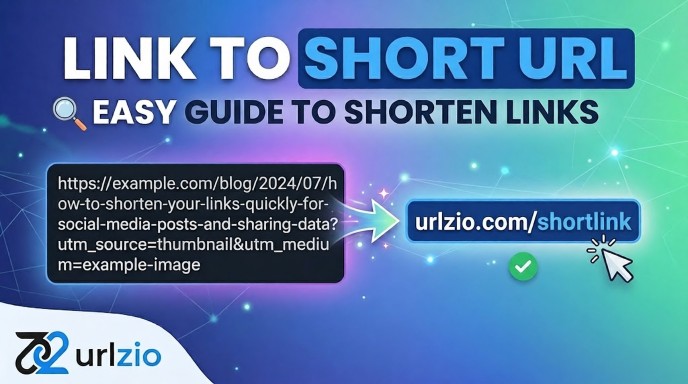
A “link to short URL” refers to the process of converting a long web address into a compact, readable version using a URL shortening tool. Instead of sharing a long URL like:
https://example.com/blog/category/article-name?id=12345&utm_source=facebook
You can transform it into something like:
https://short.ly/abc123
This shorter version redirects users to the original long URL while maintaining functionality.
Why You Should Convert Links to Short URLs
Short URLs are not just for aesthetics they provide real advantages in marketing, analytics, and usability.
1. Better User Experience
Long URLs are hard to read, remember, and share. Short URLs are clean, simple, and more user-friendly, especially on mobile devices.
2. Higher Click-Through Rates
People are more likely to click a clean, branded short link than a long, confusing one filled with parameters.
3. Tracking & Analytics
Most URL shorteners allow you to track clicks, geographic data, and traffic sources. This helps optimize campaigns effectively.
4. Branding Opportunities
You can use custom domains in your short URLs, which strengthens brand identity and trust.
How Link to Short URL Systems Work
The process behind link shortening is simple but powerful:
- You enter a long URL into a shortener tool.
- The system generates a unique short code.
- The short URL is stored in a database.
- When someone clicks the short link, they are redirected to the original URL.
This redirection happens almost instantly, making it seamless for users.
Best Use Cases for Short URLs
Short URLs are widely used across different industries and platforms:
- Social Media: Twitter, Facebook, and Instagram posts
- Email Marketing: Clean links in newsletters
- Affiliate Marketing: Trackable and branded affiliate links
- SMS Campaigns: Short links save character space
- Ads & Promotions: Better engagement tracking
SEO Impact of Using Short URLs
Short URLs can indirectly improve SEO performance by increasing click-through rates and reducing bounce rates. While search engines like Google treat redirects properly, clean URLs also improve user trust and sharing behavior.
Additionally, you can explore our internal resources:
Common Mistakes to Avoid
While shortening links is simple, users often make mistakes that reduce effectiveness:
- Using spammy or untrusted shorteners
- Not customizing short links
- Ignoring analytics data
- Using too many redirects
Always use a reliable platform that ensures uptime, tracking, and security.
Best Practices for Link Shortening
- Use branded short domains if possible
- Keep links meaningful when customizing slugs
- Track performance regularly
- Use HTTPS-secured short links
- Avoid over-shortening internal navigation links
Conclusion
Converting a link to short URL is no longer optional. it is a necessity for marketers, creators, and businesses. It improves usability, enhances branding, and provides valuable tracking insights. If you are serious about digital growth, integrating URL shortening into your workflow is a smart move.
Whether you are sharing content, running ads, or managing campaigns, short URLs make your links cleaner, smarter, and more effective.
Frequently Asked Questions (FAQ)
What is a short URL?
A short URL is a condensed version of a long web address that redirects users to the original page.
Are short URLs safe to use?
Yes, if you use a trusted URL shortening service. Avoid unknown or suspicious platforms to prevent phishing risks.
Do short URLs affect SEO?
Short URLs do not directly boost SEO rankings, but they improve click-through rates and user engagement, which can indirectly help SEO.
Can I customize my short URL?
Yes, most modern URL shorteners allow custom aliases to make links more brand friendly and memorable.
Why should I use a link shortener instead of a full URL?
Short URLs are easier to share, track, and manage, especially in marketing campaigns and social media platforms.
For a complete guide to all URL shortening strategies, see our complete guide to URL shorteners and explore the interconnected topics across our digital marketing hub.